Scroll down to explore the history of the College.
1999
THE ORIGIN
Paramedics voted to become state registered.
2000
CPSM
Paramedics required to be State Registered with the Council for Professions Supplementary to Medicine (CPSM).
2001
HEALTH PROFESSIONS ORDER
Health Professions Order published.
British Paramedic Association established as the professional body for paramedics. BPA formed with Richard Lane as Chair and Roland Furber as Chief Executive, as HCP required all registered professions to have a professional body.
2003
HPC
HPC (later to be known as HCPC) replaces CPSM. HCPC is there to protect the public. Trades Union there to protect the employee (wrt – pay, annual leave, T&Cs etc). Professional body is to protect the profession.
Paramedic becomes a protected title.
2004
COLLEGE OF PARAMEDICS
British Paramedic Association re-named College of Paramedics.
2006
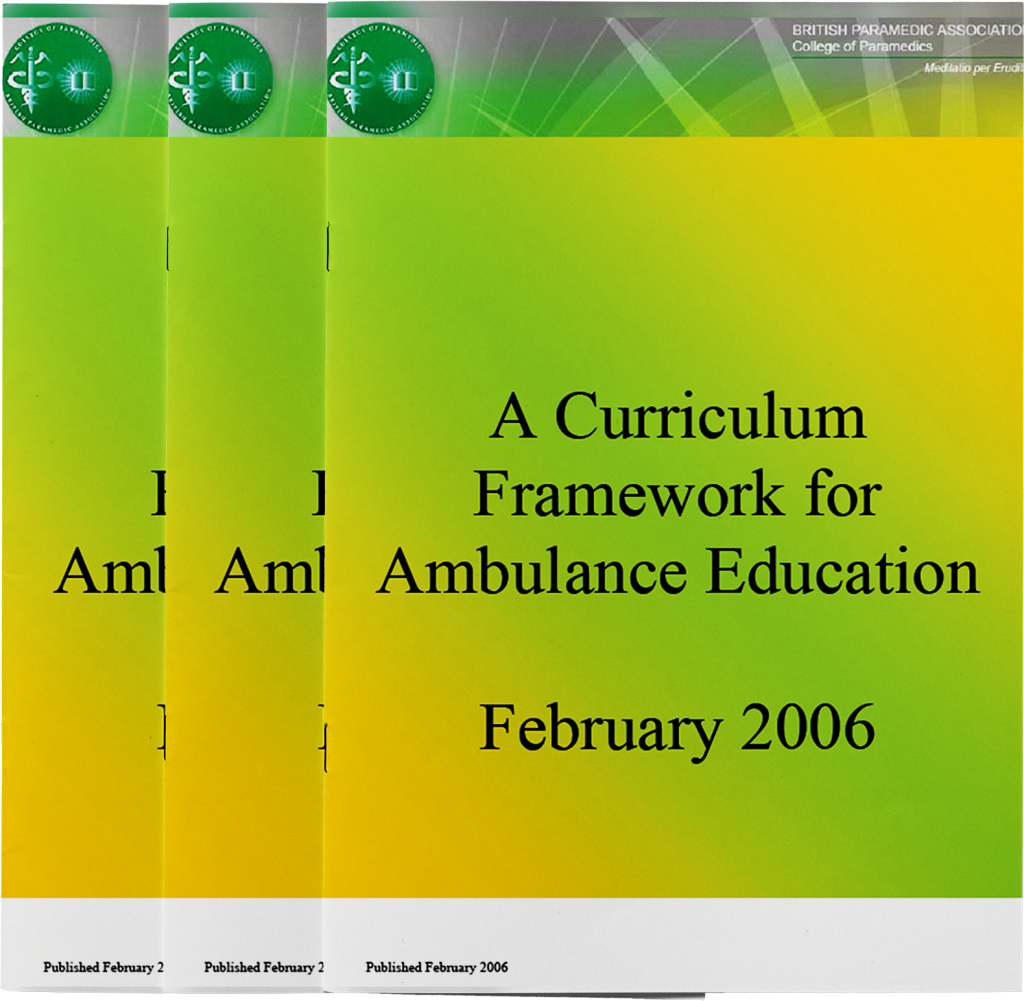
CURRICULUM FRAMEWORK FOR AMBULANCE EDUCATION
College of Paramedics publish a Curriculum Framework for Ambulance Education (later to be known as the Curriculum Guidance & Competence Framework).
2007
CPD
HPC introduce Continuous Professional Development (CPD) at renewal of registration.
JPS-CPD (published with other prof bodies, eg. RCN) states that HCPs should have 45 hours/6 days of protected ‘in work’ time to complete CPD. Review of document instigated by CoP and due for publication later this year. Currently The Welsh Ambulance Service is adhering to the recommendations made for in service CPD time. Highlight need for lifelong learning (more on CPD opportunities later).
2013
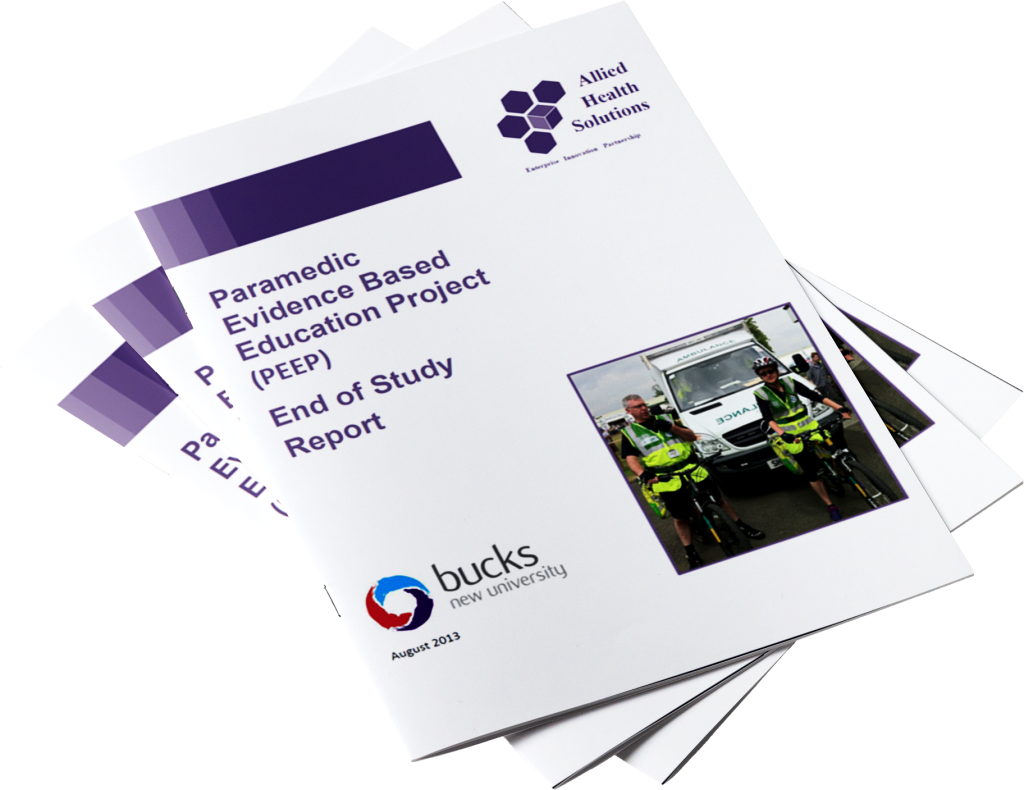
PARAMEDIC EVIDENCE BASED EDUCATION PROJECT
Paramedic Evidence Based Education Project funded by CoP to develop an evidence based business case, for the College of Paramedics, to progress the strategic direction of the standardisation of education and training for this key workforce.
Recommendations
Standardised approach to education and training:
Pre-registration education development model leading to an all graduate profession
Knowledge and skills enhancement (particularly around Leadership, EoLC and MH)
Partnership model
Paramedic leadership for England
Standardised approach to identification
In just 5 years we have (arguably) achieved what this statement highlighted:
“The potential contribution that a well educated and highly trained paramedic workforce can make to healthcare through its unique field of practice that intersects healthcare, social care, public health and public safety has yet to be fully understood.”
2014
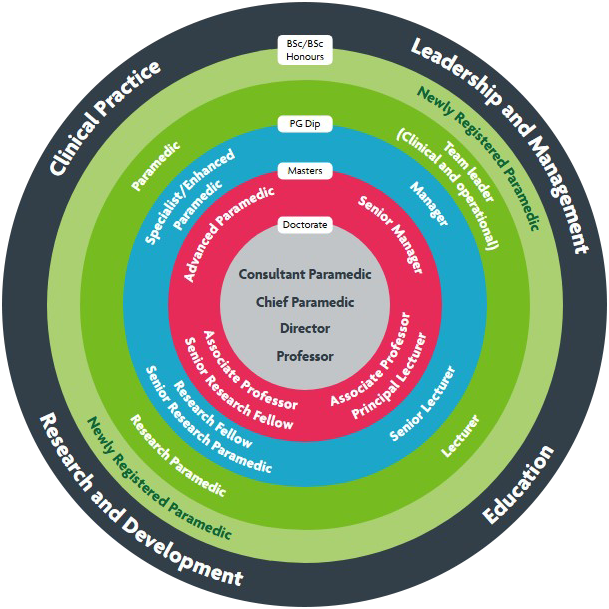
CAREER FRAMEWORK
College of Paramedics publishes the Career Framework diagram.
2015
REGISTERED CHARITY
College of Paramedics becomes a registered charity.
2017
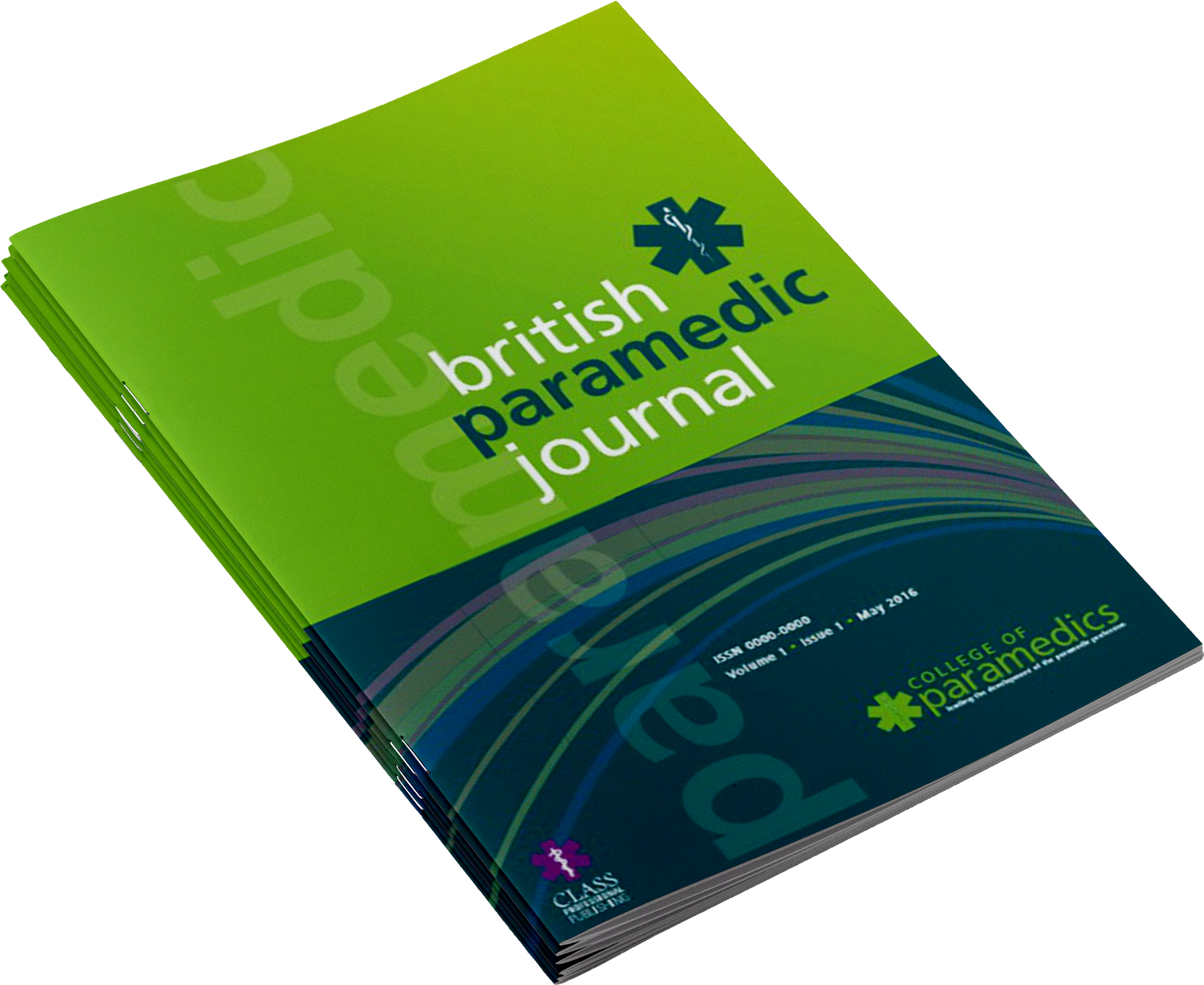
BRITISH PARAMEDIC JOURNAL
College of Paramedics launches the British Paramedic Journal.
@_theBPJ_
2018
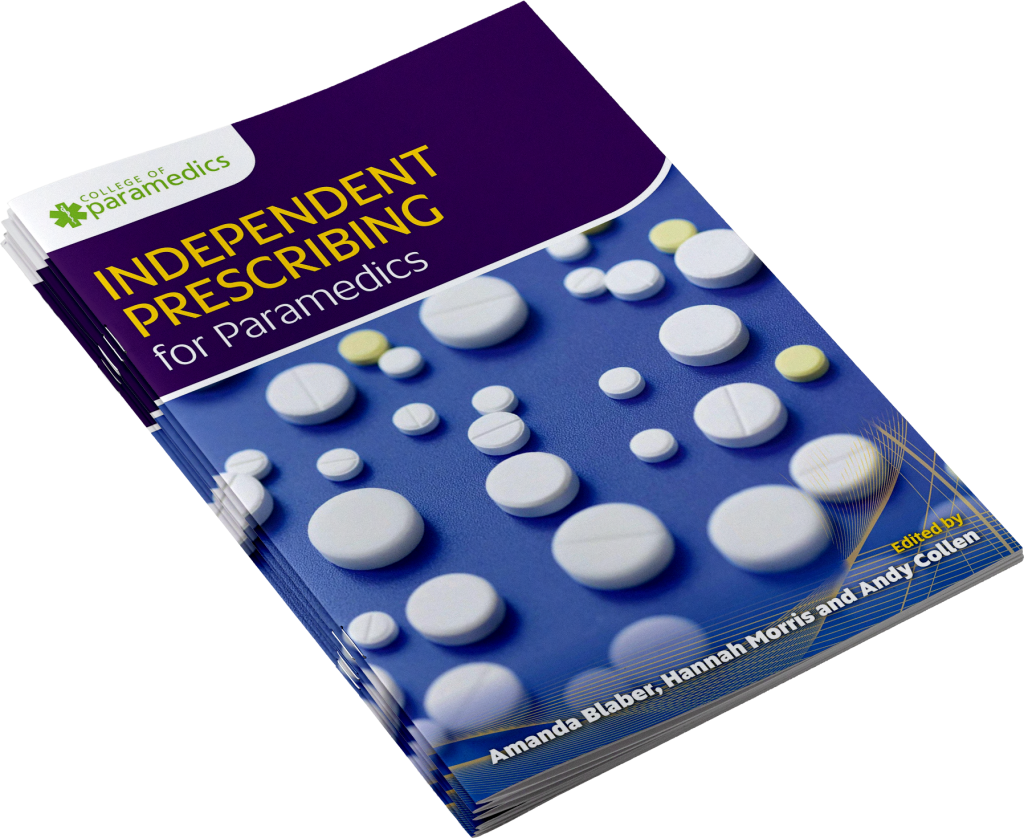
INDEPENDENT PRESCRIBING
College of Paramedics achieves independent prescribing for paramedics.
HCPC raises the level of qualification for entry onto the register to BSc. After 1st 2021 all courses will be at BSc.
2019
DOCUMENTS LAUNCHED
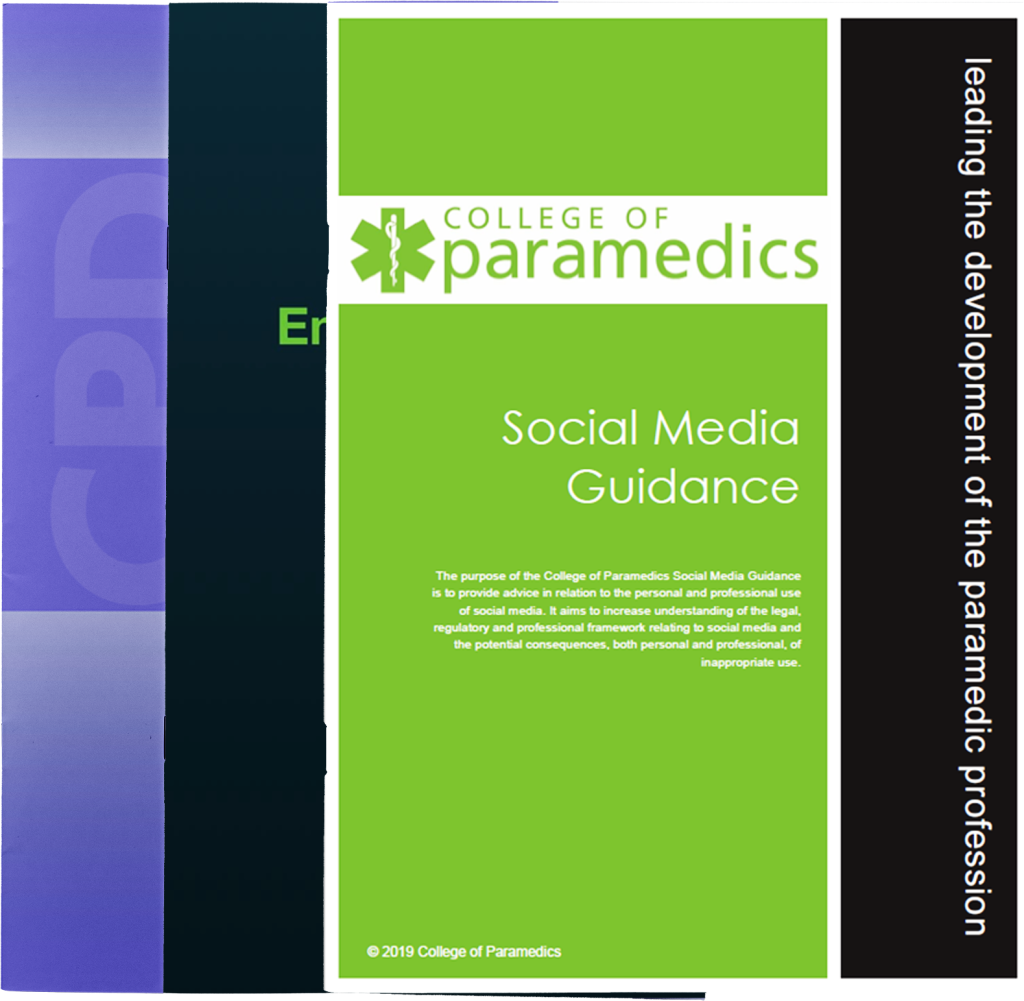
Principles for CPD – A working group of organisations from across a range of health and social care sectors including the College of Paramedics launched a set of principles for continuing professional development (CPD) and lifelong learning. On website under professional development.
Employers’ Guide for Paramedics in Primary and Urgent Care – The document is the first project to be completed by our Primary and Urgent Care Special Interest Group (PUCSIG) is available to download on our website.
Social Media Guidance – The purpose of this guidance is to clarify the position on the professional responsibilities of paramedics and student paramedics in relation to social media.
2020
COVID-19
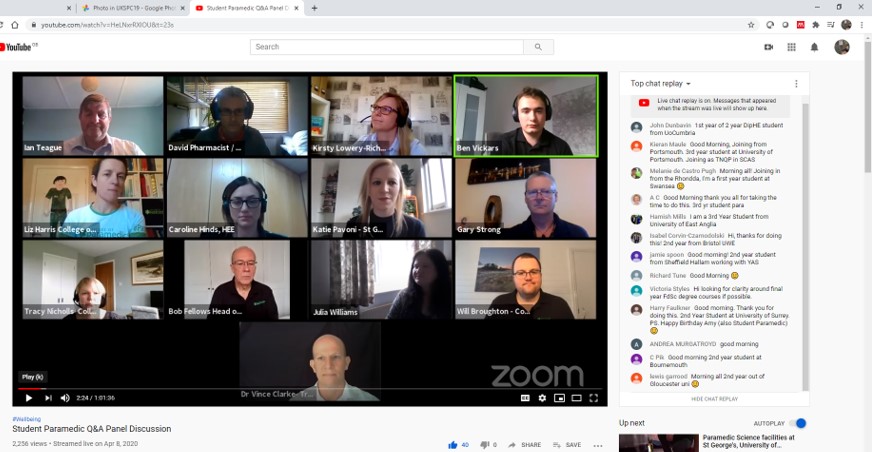
The College supported students throughout the pandemic.
2021
COVID-19 SUPPORT
Ongoing support for students whose placements and study were affected by the pandemic.
In 2024, the College was granted a Royal Charter of Incorporation by His Majesty King Charles III, a recognition that underscores its commitment to our values and their role in advancing the paramedic profession.
What does this mean for you? We represent the collective voice of paramedics to shape the future of the profession and influence system-wide healthcare delivery at every level.
We strive to ensure that the student perspective is embedded in everything we do, shaping the future of paramedic practice from the ground up.
Through our international partnerships, we collaborate, share expertise, and influence the evolution of paramedic practice worldwide, ensuring the profession continues to thrive.
2025
PRINCE OF WALES
His Royal Highness, the Prince of Wales joins the College of Paramedics as Patron.
2026
NAME FORMALLY CHANGED
The College officially became known as the Royal College of Paramedics from January 2026 after constitutional changes and rebranding.
This extraordinary accolade recognises the collective efforts of many individual members and the valuable contribution paramedics make every single day to the UK’s healthcare service.