


Loading...
Skip to main content

Student Portal

University life

Starting university

You may have moved away from home when starting university. This can be daunting as this will be a new environment, moving away from your support networks at home and needing to create new social circles. Making new friends can be difficult and creating a social network at university can be very supportive. The following resources will help you with structure and building networks.


Our wellbeing can be shaped by many factors such as what we eat – our nutritional intake and hydration status, as well as our sleep schedule and exercise regime.


Being on clinical placement can affect these factors, and it’s worth considering how this may impact your wellbeing and whether you’ll need to make any adaptations to keep you healthy, happy, able to manage stress effectively, and experience emotional resilience.

Managing Finances

It is important that you proactively take steps to manage your finances. As a minimum you should:

Make a simple budget

Knowing your income and essential costs helps you stay in control and avoid unnecessary stress.

Prioritise essentials

Rent, food, travel, and course costs should come before non-essential spending.

Plan for placement costs

Travel, uniforms, and meals can add up, so plan ahead where possible.

Use student support

Access student loans, bursaries, hardship funds, and discounts available to healthcare students.

Avoid unnecessary debt

Be cautious with credit cards and buy-now-pay-later schemes.

Ask for help early

If money worries are affecting your wellbeing or studies, speak to student services or a trusted advisor.

Select on the video below to watch this webinar recording on financial health.

Student wellbeing

Sleeping

When transitioning into university life or starting clinical placements, sleep patterns can be significantly disrupted. At university, sleeping in a new location, sharing living spaces with unfamiliar people, changing schedules, increased socialising, and a heavier workload can all impact sleep quality.


Similarly, clinical placements often involve shift work, circadian rhythm misalignment, and extended working hours, all of which can lead to sleep disturbances. Maintaining good sleep hygiene is essential for overall wellbeing.


To support better rest, Mind offers valuable tips on improving sleep habits and creating a healthy sleep routine. Sleep hygiene is vital to maintain a healthy wellbeing. Check out this link for tips to improve your sleep.

Exercise

At University you will be able to join new gyms and sports teams as well as form new social circles, where as on a placement you may struggle from increased fatigue and may have difficulty committing to team and social events like before.


Regardless, it is important to try and do some form of exercise a few times a week. Even going on a walk can be really good for your physical and mental health.


The following link has more information into the link between exercise and mental health, plus some tips on how to increase physical activity.

Academic studies

Studying to be a paramedic is intense with much content to cover. There will be assessment pinch points, and balancing academic study with clinical placement can be particularly challenging.


Whichever university you are at, there will be lots of academic support to help you with organising your studies and staying on top of the workload. This support is usually found within university webpages.


Some things to think about:

When do you work best?

Do you know what time of the day you work best? Planning your revision schedule around this can help with productivity.

Where do you work best?

Do you work better at home, at the library?

How long does it take you to write your essay?

Working backwards from the deadline date using the word count and learning outcomes can help develop an essay writing timetable.

How many learning outcomes are being covered within the exam?

Scheduling your revision around the learning outcomes for the exam not only ensures you cover everything but can give you a time frame of when to start revision.

Try not to attempt to work the entire day without breaks – setting small achievable goals and break down your study time, this will help you to focus and give you a sense of satisfaction! Try to get out for a walk or move around regularly during your study, as screen or revision fatigue can be counterproductive.

Eating and cooking

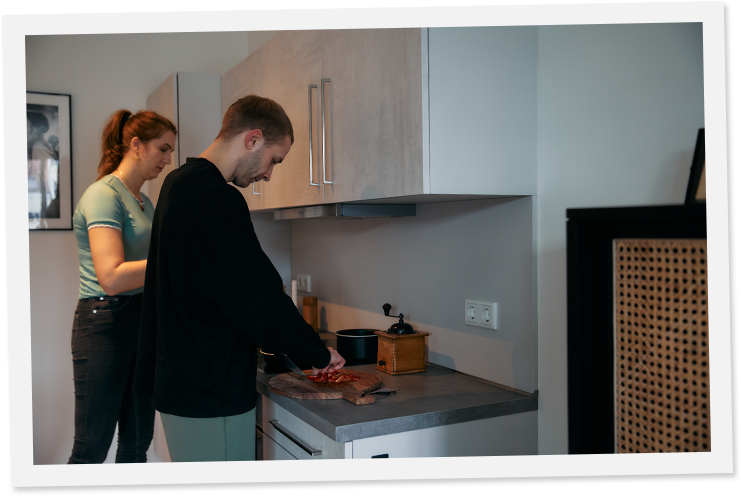
There is significant research around the effect of food on our mood. This website gives more information about the link between food and mood. For students that commute to university, you may be trying to fit your mealtimes around your new study routine and family lives. This may be particularly challenging if you also have caring responsibilities. Trying to settle into a new routine may help you feel more in control of the changes you are facing.

Quick, healthy meal ideas

Here are some websites that offer quick, easy and healthy meals options.

Top tips for students

Select the arrows to view the top tips for students.

Where to find Information about how your University can support you

Download the PDF below to view the HEI Contacts. Please note the nature of this information is subject to change. Please check your contact details locally.